

4·
12 hours agoAh yes, European diplomacy
Ah yes, European diplomacy
Instead of mandatory military service have mandatory conservation service?
It also works for zippos, chapstick, airpods, pocket watches, meshtastic nodes, hand warmers, dime bags and condoms!
I don’t know honestly
Nope similar but separate firmware. If you mean hardware then yes most radios that work with meshtastic will work with meshcore
Yeah meshcore uses the same radios and frequencies but the way the mesh forms and operates is different. It seems that the people that use it really like it but meshtastic is way more popular where I am at the moment.

They don’t ride bikes and they don’t see many people riding them for practical uses (work, shopping etc) so for them it’s hard to sell the idea of bike infrastructure (that they think is for mainly recreational riders) making their commute slower and taking up tax money that could be used on other projects.
I get how this is flawed thinking and I want more pedestrian and bike friendly areas, but that is their perspective.
I’m on the side of the cat
Capacity, barrel length, availability and well known companies that are likely to follow through with warranty requests
That’s fair…but don’t sell yourself short on how well you can do even if it’s only on the range for fun.
Mossburg 990 and 940, Beretta A300 and 1301. Benelli M4 is also nice but the price is the biggest barrier there.
You can’t expect a random person on the internet to know your laws, sorry NY, IL and CA. That is where a local gun store can also be tremendously helpful.
Okay first you need to figure out what you want to buy. I would start with a striker fired 9mm pistol. Think Glocks, Smith and Wesson M&Ps, CZ P-10s etc. These are like the toyotas of pistols, unsexy but reliable. Smaller guns mean more recoil so I’d recommend a compact or full size. That gives you 10-17 rounds per magazine, and can be used for home defense or for concealed carry if you want. They normally run $300 to $600 or so.
Online research is fine (while you are at it look up a gun safety basics video like this) but you really need to go to a store and feel which one is the most comfortable to you. When you’re ready to buy they will give you a form 4473 to fill out (idk about you but I NEVER mess with marijuana when it comes to gun stuff), and you’ll be a gun owner! Don’t forget some boxes of training ammo (115gr FMJ). 50-200 rounds is a good start.
Next look at a holster. Kydex is preferred since it is specifically shaped to the model of your pistol and light, which you should also order now if you want one. Streamlight and surefire are solid brands that won’t limit your holster options.
Then find a class and learn as much as you can! A concealed carry course will teach you basics and legal aspects of defensive gun use. Practicing between classes is key. Don’t be afraid to safely dry fire or clear rooms in your house. It looks goofy but it’s fun too! Once you’re comfortable you can find competitions and give it a go, they will challenge your skills under pressure.
Beyond pistols, AR-15s are popular for a reason. Lightweight, ergonomic, low recoiling, precise. They can handle everything from home defense to 300+ yards and there are plenty of classes for those as well.
Hope this helps!
Why a shotgun over, say a pistol or rifle? There’s nothing wrong with shotguns but they do have limitations. Less ammo capacity, higher recoil and relatively complicated reload process. My point is it takes a lot of training to get good with a shotgun.
It’s hard to go wrong with a mossburg, they are proven and used by many professionals. In general guns are tough and as long as you don’t drag it though saltwater sand or mud you don’t need to worry too much. Just read the manual or find a youtube video for cleaning and you’re good.
Feel can definitely vary and is something you kind of have to experience for yourself. You can go to a gun store or to a range that lets you rent different guns. Length of pull (how long the stock is) is a big factor. That’s why almost all AR stocks are adjustable. Hope this helps!
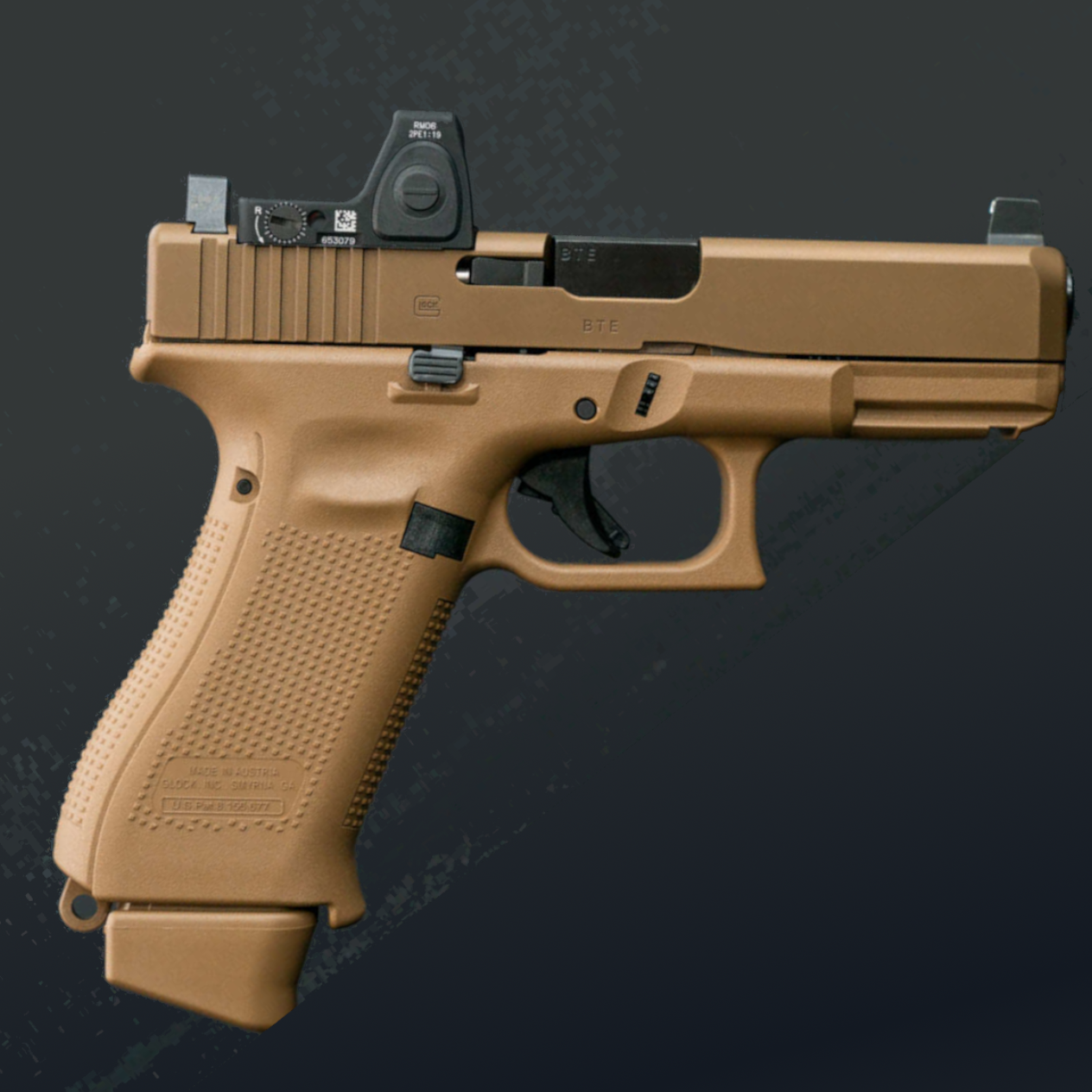
Better turn them in at the gun buybacks just to be sure
It depends on a lot of factors. Is this character up close or far away? How protected is the lunatic and what would be the best avenue for approach? Can the character get to an effective position without giving themselves away? Do they care about guards or people nearby?
Sounds like a spicy story, I bet a lot of people would like to read it
Absolutely it’s easy for people to shout from the hills “nobody needs multiple guns!” without thinking. A comment I read elsewhere said it’s like asking a golfer why they need so many golf clubs.
As others have said Mossburg has earned it’s reputation for reliable shotguns.
Shotguns have quirks though. They have limited ammo capacity, and reloading isn’t as straightforward as a mag fed pistol. It will take time and practice to get good, especially if this will be your go to in an emergency. So be sure to get out there and practice a lot!
You also need to look into ammo types. Others have explained that so I won’t delve into it too much but it is important to learn what your ammunition does in your gun at the ranges you expect to use it. Shotguns have “spread” but at home defense ranges it’s about the size of a hand so shot placement is still important.
If it was me I would not use a shotgun. Me, groggy and rolling out of bed at 3am to investigate a window breaking will be way better with an AR or handgun. The controls are simpler, the ammo capacity is larger, it’s accurate and will have significantly less recoil. And I’ve practiced with them the most
A .22 bolt gun is a good place to start especially if you want to look into long range later. Relatively inexpensive for the rifle way less expensive for ammuniton. I agree it’a a good place to start!
You can’t go wrong with any of those rifles, but I would suggest thinking about what long range rifle you would get and try to get the .22 to match those controls as much as possible. That way you get the most out of your practice.
Scopes can be a bit daunting! 10x is pretty much the standard for magnification, but having it adjustable for more is nice too. Not so much for actually shooting but for target id or even checking your hits, though that isn’t as practical with small .22 size holes. Most scopes will have more than just a basic crosshair, with markings measured in MOA or Mils. Either is fine, just research it and see what you prefer and stick to it. Oh, if your scope has adjustable zoom I’d recommend first focal plane so the reticle stays the same scale as the target no matter the zoom level.
Irons can be fun to learn but honestly it’s bonus. If you do want to change it up from scopes and there are plenty of relatively inexpensive red dots like from Vortex or Holosun. If it was me that would be on a separate rifle like a Ruger 10/22, which is a popular semi auto .22
6.5 is a good and proven caliber for long range, but I’m not sure if it would be suitable for larger game like a moose, but using the right ammo it may not be an issue at all. That’s would be fkr you to research and decide.
The blackmail photos of every embarrasing moment you can remember…and plenty that you don’t













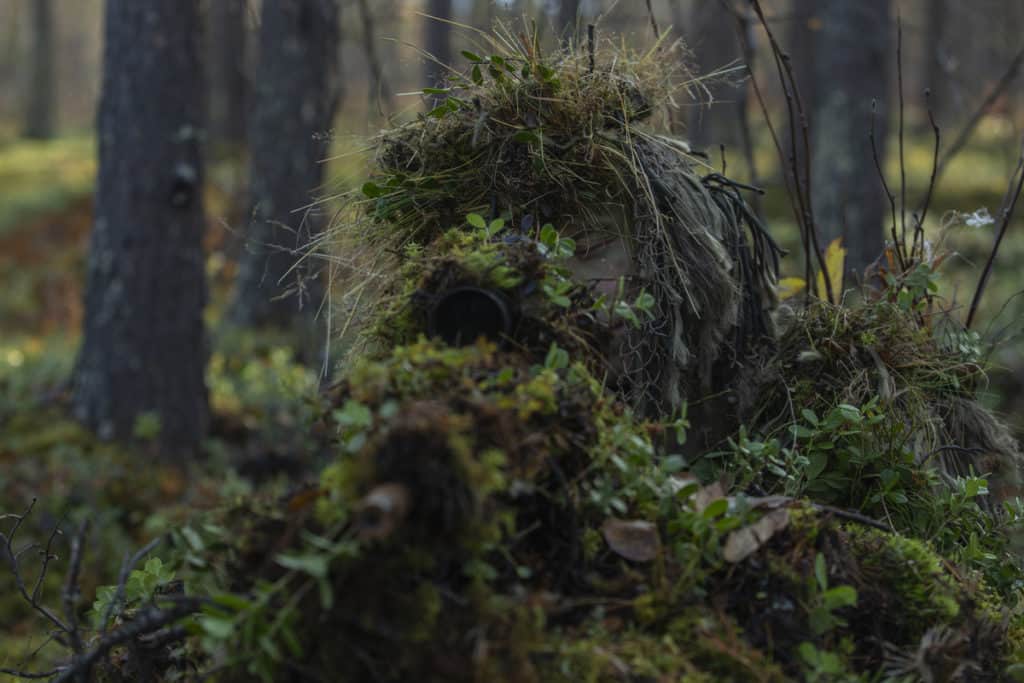



Look at what is happening in the US. That is what a barely competent government is doing to it’s people. People swore up and down it would never happen, that there were failsafes and guardrails. And now look at us.
Be peaceful, be responsible, but keep your guns.