European. Polite contrarian. Insufferable green. History graduate. I never downvote reasoned opinions and I do not engage with people who downvote mine (which may be why you got no reply). Low-effort comments with vulgarity or snark will also be ignored.

  • 77 Posts
  • 2.74K Comments
Joined 3 years ago
cake
Cake day: June 16th, 2023

help-circle


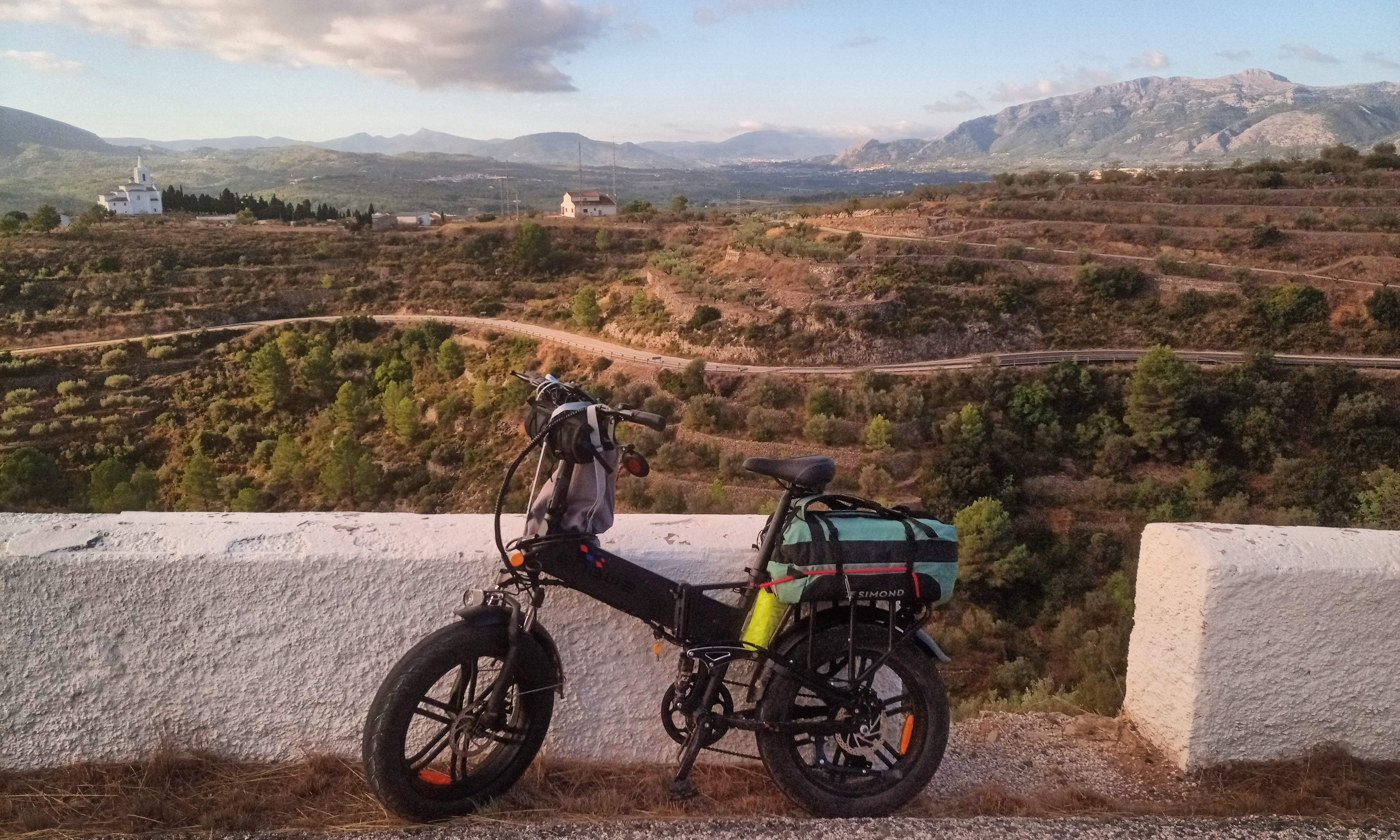
  • Useful article. As a fat-bike rider, I’ve been expecting this. It was just a matter of time.

    At the center of the debate is the growing popularity of fat tire e-bikes that look and ride very differently from traditional European electric bicycles. While most Dutch e-bikes follow the long-established formula – pedal assist capped at 25 km/h (15.5 mph) with a nominal 250W motor and relatively narrow tires city – many fat tire models are visually and functionally closer to mopeds, with oversized frames, powerful motors, and wide tires. Authorities say many are traveling at speeds far beyond what’s legally allowed.

    So the central issue is that it’s hard for police to know that a bike is respecting the norms. My Engwe is the EU-certified model but it has a secret jailbreak mode that unlocks the throttle and boosts the motor! The manufacturer even tells you how to do it! Come on.

    I’m thinking that it might just be easier to regulate the max weight of the bike, since that’s a major factor in accidents. Plus a clampdown on speeding.


  • if they can read the messages then its not strictly speaking e2ee

    Yes, it can absolutely still be E2EE: the message is encrypted and the central server does not have the key. The issue is that the clients (i.e. the "E"s) are controlled by the same entity as the central server, and we don’t know exactly what the client (app) is doing. So the fact that it’s E2EE is somewhat moot.

    This is exhibit #1 in the case for open-source software.

    PS: you obviously get this, I’m just trying to make it clearer for anyone who doesn’t.


  • Given those figures, the numbers absolutely would have run out many years ago if every mobile contract was permanent and free of charge. The operators rent numbers from a central registry, just like with domains but with a much more finite namespace. There’s no way you still have access to a number “well over a year” after last paying anything for it. In any country. Perhaps there’s a misunderstanding.


  • Could have written this whole account verbatim. You’re not alone.

    Recently I had a related experience when checking into a small hotel:

    • I sent you a message to ask when you’d arrive
    • Sorry about that, I didn’t see it because I’m not connected 24-7
    • I thought maybe you’d had a problem
    • Well I’m here now, I had a reservation, everything worked out fine
    • It’s only polite to reply to messages
    • But I didn’t see your message because I wasn’t connected

    Etc. For many (most) people it seems it’s becoming all but unimaginable not to be connected and available to anyone who wants to contact them, round the clock. This is not healthy. The fact that a technology exists does not mean we have to adopt it.